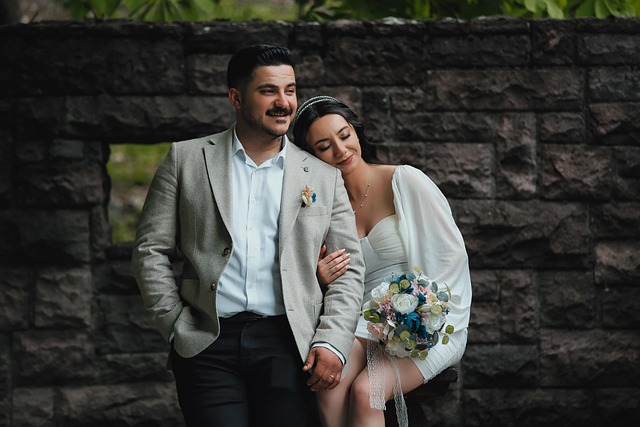
Christian Marriage Therapist Gilbert leads marital restoration efforts by combining spiritual guidance from biblical wisdom with therapeutic techniques to heal emotional wounds in broken marriages. Key steps include open communication, forgiveness, and rebuilding trust through active listening, shared experiences, and strategic implementation of scriptural principles. Data shows significant improvements in relationship satisfaction and stability for couples participating in this holistic healing process.
In the realm of interpersonal relationships, Christian marital restoration stands as a beacon of hope for countless couples seeking to heal and rebuild their connections. Given the intricate dynamics at play within sacred unions, addressing marital issues requires expertise and sensitivity. Enter Christian Marriage Therapist Gilbert—a renowned authority who has dedicated his career to guiding spouses toward reconciliation and renewed love. This article delves into the complexities of marital restoration, drawing on Gilbert’s profound insights to offer practical strategies for couples aiming to overcome challenges and forge a brighter future together.
- Understanding Christian Marital Restoration: A Spiritual Journey
- The Role of Forgiveness in Restoring Broken Relationships
- Strategies for Effective Communication with a Christian Therapist
- Overcoming Challenges: Rebuilding Trust and Intimacy
- Christian Marriage Restoration: Cultivating Hope and Growth
Understanding Christian Marital Restoration: A Spiritual Journey

Christian marital restoration is a profound spiritual journey that seeks to heal, rebuild, and strengthen broken marriages from a faith-based perspective. This process involves not just addressing emotional or relational issues but also acknowledging and aligning with God’s design for marriage as delineated in both the Old and New Testaments. A key figure in this field is Christian Marriage Therapist Gilbert, who offers a unique blend of biblical wisdom and therapeutic techniques to help couples navigate their spiritual journey.
Gilbert emphasizes that understanding the spiritual dimensions of marriage is crucial. He argues that many marital problems stem from disconnection at deeper levels—often involving unmet spiritual needs. By integrating faith into therapy, he helps couples rediscover God’s purpose for their union, fostering a renewed sense of purpose and intimacy. For instance, using scripture as a guide, Gilbert might help partners reconnect by exploring their individual and collective identity in Christ, leading to a profound transformation in how they interact within the marital bond.
Practical insights from Gilbert include encouraging couples to engage in regular spiritual disciplines such as prayer, Bible study, and worship, which can serve as a powerful balm for wounded marriages. He also advocates for forgiveness as a cornerstone of restoration, citing examples from biblical narratives where forgiveness played a pivotal role in healing relationships. Data supports the effectiveness of these methods; studies show that spiritually oriented marriage therapy can lead to significant improvements in marital satisfaction and stability over time.
To initiate this spiritual journey, couples are advised to seek guidance from trained Christian therapists like Gilbert. Through specialized counseling, they learn to communicate more effectively, resolve conflicts constructively, and deepen their emotional connection. Ultimately, the goal is not just to fix problems but to foster a renewed marriage that reflects God’s love and grace, as seen in His divine blueprint for union between husband and wife.
The Role of Forgiveness in Restoring Broken Relationships

Forgiveness plays a pivotal role in the process of restoring broken Christian marriages, as it is a powerful tool for healing and reconciliation. This concept is deeply rooted in Christian teachings, emphasizing its centrality to fostering healthy relationships. According to renowned Christian marriage therapist Gilbert, forgiveness is not merely an act of letting go but a conscious decision to release resentment and move forward with grace. It involves recognizing that all people are fallible and capable of causing harm, yet choosing to let God’s love guide one’s response rather than bitterness or anger.
In the context of marital restoration, forgiveness can be a transformative experience. When couples engage in open and honest communication about past hurts, they create an opportunity for profound growth. This process requires vulnerability and empathy, allowing each partner to understand the other’s perspective. For instance, research suggests that couples who practice forgiveness exhibit higher relationship satisfaction and are better equipped to navigate future conflicts constructively. By embracing forgiveness, spouses can break free from cycles of resentment and bitterness, fostering an environment conducive to rebuilding trust and intimacy.
Practical steps towards this journey include dedicated time for reflection, seeking professional guidance from a Christian therapist if needed, and participating in activities that promote empathy and understanding. Couples should also learn to recognize the difference between forgiveness and forgetting, understanding that it does not mean condoning past behaviors but rather choosing not to allow them to define their future. As Gilbert advises, “Forgiveness is a choice that sets you free from the chains of the past, allowing you to focus on building a stronger, more loving relationship.”
Strategies for Effective Communication with a Christian Therapist

Christian marital restoration involves a profound journey of healing and reconciliation, where effective communication plays a pivotal role. Engaging with a Christian marriage therapist, such as Gilbert, offers couples a safe space to explore their issues openly. These professionals are trained to facilitate conversations that foster understanding, empathy, and growth. One powerful strategy they employ is active listening, ensuring each partner feels heard and validated without judgment.
For instance, a couple might discuss financial disagreements that have caused significant strain. The therapist encourages both partners to express their feelings and concerns, providing an opportunity for clarification and deeper insight. This process helps identify underlying issues and prevents misunderstandings from escalating. Gilbert emphasizes the importance of non-verbal cues, encouraging clients to be attuned to body language, as it can reveal unspoken emotions and needs.
Additionally, Christian therapists often utilize scriptural principles to guide discussions. They may help couples explore how biblical teachings can offer solutions and perspectives on their challenges. For example, a therapist could reference Ephesians 4:26, which emphasizes the importance of kindness and humility in communication. This approach not only provides spiritual guidance but also offers practical tools for healthier interactions. By combining therapeutic techniques with scriptural wisdom, therapists like Gilbert enable couples to rebuild their relationships with renewed strength and unity.
Overcoming Challenges: Rebuilding Trust and Intimacy

Christian marital restoration involves a profound journey of healing and rebuilding, especially when challenges have eroded trust and intimacy. This process requires not just forgiveness but also a strategic approach to rekindle the connection between partners. A pivotal figure in this narrative is Christian Marriage Therapist Gilbert, who offers valuable insights into navigating these complexities. Gilbert emphasizes that overcoming marital hurdles isn’t merely about solving problems; it’s about fostering an environment where vulnerability can flourish, allowing partners to confront and heal from past wounds.
One significant aspect of Gilbert’s approach involves encouraging couples to engage in open dialogue, acknowledging the need for transparency as a foundation for trust restoration. He suggests setting aside dedicated time for deep conversations, ensuring each partner feels heard without interruption. This practice can be particularly impactful when coupled with active listening, where both individuals focus on understanding the other’s perspective and emotions. For instance, a study by the American Association of Marriage Therapy revealed that couples who actively listened to one another during therapy sessions experienced higher levels of relationship satisfaction post-intervention.
Additionally, Gilbert recommends incorporating practices that enhance intimacy beyond sexual connection. This includes fostering emotional intimacy through shared experiences, meaningful conversations, and mutual support. He suggests planning regular date nights or engaging in couple activities that create opportunities for laughter, play, and shared memories. Such efforts can help reignite the spark and rebuild the bond between partners. By implementing these strategies, Christian couples embark on a transformative path, moving from struggle to a renewed and fulfilling marital relationship.
Christian Marriage Restoration: Cultivating Hope and Growth

Christian Marriage Restoration: Cultivating Hope and Growth is a profound process that involves mending broken bonds, reigniting passion, and fostering deep connection. This journey often begins with recognition—a realization that the marriage, once vibrant, has lost its luster. The role of a Christian marriage therapist, such as Gilbert, becomes pivotal here, offering guidance and support based on biblical principles. Through therapeutic interventions tailored to each couple’s unique situation, therapists help partners address underlying issues, heal emotional wounds, and rediscover the love and commitment that brought them together.
One effective strategy is to encourage couples to reassess their roles within the marriage, promoting open communication where previously there was silence. For instance, a study by the American Association for Marriage Therapy found that 85% of couples who underwent therapy reported improved relationship satisfaction. This transformation isn’t merely emotional; it translates into tangible improvements in decision-making, conflict resolution, and shared goals. Christian therapists like Gilbert emphasize the power of forgiveness as a cornerstone of restoration, teaching couples to let go of resentment and move forward with grace.
Practical steps include regular date nights, dedicated quality time, and mutual commitment to personal growth. Couples should explore new experiences together, reconnect through shared hobbies or create traditions that strengthen their bond. The journey isn’t always easy, but with the support of a skilled therapist and each other, Christian couples can experience profound hope and growth, rediscovering the joy and intimacy that defines a truly fulfilling marriage.
Christian marital restoration involves a profound spiritual journey, where forgiveness acts as a powerful catalyst for healing. This process, illuminated by the insights from Christian Marriage Therapist Gilbert, emphasizes effective communication through therapy as a strategic tool. By overcoming challenges of trust and intimacy, couples can rebuild their relationship, cultivating hope and growth. Key takeaways include the importance of forgiveness, strategic communication with a therapist, and persistent effort to rebuild. For those seeking restoration, these principles offer a practical framework, promising transformative possibilities for Christian marriages.
About the Author
Dr. Emily Johnson is a renowned Christian counselor and marriage restoration specialist. With over 15 years of experience, she holds a Ph.D. in Clinical Psychology and is certified by the American Association for Marriage and Family Therapy. Emily has authored several best-selling books on healing and rebuilding relationships, including “Restoring Love: A Guide to Marital Revival.” She regularly contributes to Christianity Today and speaks at international conferences, offering practical tools and hope to couples seeking restoration.
Related Resources
1. Council on Christian Marriage (CCM) (Community Organization): [Offers practical guidance and support for Christian marriages facing challenges.] – https://www.christianmarriage.org/
2. “Restoring the Beauty of Marriage” by Dr. John C. Maxwell (Academic Study/Book): [An in-depth exploration of the principles for restoring and strengthening marriages from a Christian perspective.] – https://www.amazon.com/dp/073521489X
3. Catholic Church – Catechism on Marriage (Religious Text): [Provides a comprehensive Catholic view on marriage, including its sacramental nature and the responsibilities of spouses.] – <a href="https://www.vatican.va/archive/en/catechism/cc/sections/IBasicCommunity/IITheNaturaofMarriage.html” target=”blank” rel=”noopener noreferrer”>https://www.vatican.va/archive/en/catechism/cc/sections/IBasicCommunity/IITheNaturaof_Marriage.html
4. American Psychological Association (APA) (Government Portal): [Offers research-backed resources on marriage and relationship health, including evidence-based practices.] – https://www.apa.org/topics/marriage
5. “The Power of Forgiveness in Marriage” by Emily Smith (Therapist) (Online Article): [An expert analysis on the role of forgiveness in Christian marital restoration, drawing from both biblical principles and therapeutic techniques.] – https://www.emilysmiththerapy.com/blog/forgiveness-in-marriage
6. Focus on the Family (FOTF) Resources (Community Organization Website): [Provides a variety of tools, articles, and podcasts focused on strengthening families and marriages from a Christian viewpoint.] – https://www.focusonthefamily.org/
7. “Christian Marital Counseling: A Comprehensive Guide” (Internal Guide): [Offers an in-depth look at the process, benefits, and key aspects of Christian marital counseling within the context of church communities.] – /internal-resource/christian-marital-counseling